Cherry Orchard Time in the New Year
A New Year’s Reflection

It’s the new year and the fruit-bearing trees in our Northwest orchards are fully spent, lying low, at rest.
Last summer’s cherry harvest is a memory. The cool fall weather turns the green leaves into colorful hues of red and gold. Buffeted by winds, leaves drop to the ground and settle into multifarious piles of carbon-rich essential nutrients. The fresh green and fruity summer aromas are replaced by earthy smells portending the breakdown of leaves and debris into humus, enriching the soil. As temperatures fall, the ground becomes hard with the snap of ice breaking under boots while walking.
As trees descend into a quiet dormancy, pruning time draws closer. A farmer’s agricultural calendar calls for entire orchards to be pruned annually for unwanted growth. To reduce the risk of bacterial infection, pruning practices recommend an optimum time for pruning: Northwest cherry trees are best pruned once all danger from fall/early winter freeze has passed, but before new growth begins in the early spring. Pruning takes knowledge, skill, and strength from individuals wielding long-handled lopper pruners. Generally, the top portion of a tree is pruned more heavily than the lower portion. To increase fruit size and quality on established trees, more of the shoots that grow toward the end of a well-pruned branch are cut, opening the potential fruit buds to the sunlight.

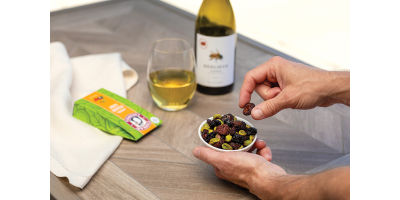
On the homefront, the new year pleads for a reduction (or elimination) of my personal intake of refined sugar. Here is my personal tip: It’s easier for me if I replace processed carbs and refined sugars with something unprocessed, naturally sweet, and plant based. Carrots are excellent. Another optimal choice is a few Chukar® no sugar added, naturally dried Bing or Rainier cherries.
Try my CHERRY CHEW CHALLENGE: First, hydrate yourself with a drink of pure water. Then, pop a single Chukar® dried cherry in your mouth and chew, chew, chew. The fiber rich texture necessitates chewing and the fruity natural flavors balanced by the acidity in the fruit delivers a full spectrum of flavor.
Repeat: Hydrate yourself with a drink of pure water. Then, pop a single Chukar® dried cherry in your mouth and chew, chew, chew. Yum! It only takes a few cherries to satisfy your sweet tooth.
Explore all of our no sugar added dried cherries—simple, satisfying, and rooted in real Northwest fruit—and learn about cherry health benefits.
Cherry Cheers,
Pam Montgomery, Founder
Chukar Cherries
Winter Orchard Q&A
What happens to fruit trees in winter?
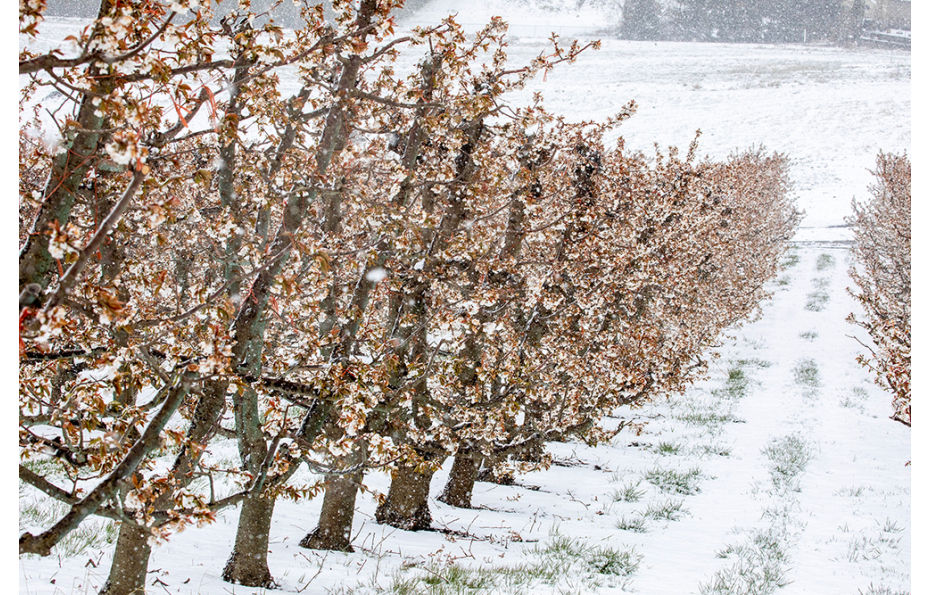
Winter is a tree’s natural rest period. While it may look quiet, the trees are storing energy and nutrients deep in their roots so they can burst into growth and produce flavorful fruit in the next season. Cold air and snow help protect roots and support this dormancy process.
Why is snow important for orchards?
Snow acts like a blanket for orchard soil, helping insulate roots against extreme cold. It also holds and slowly releases nutrients, so when the snow melts, the soil feeds the root system that supports juicy cherries, apples, and pears later in the year.
What is “winter chill,” and why does it matter?
Winter chill refers to the number of hours temperatures stay cool enough (not freezing). Fruit trees need those chill hours to rest properly. This chilling helps them store energy and prepares buds for a healthy and abundant bloom in spring. Without enough chill, fruit size, quality, and flavor can be negatively affected.
If trees are dormant, why do growers prune in winter?
Northwest cherry trees are best pruned once all danger from fall/early winter freeze has passed. Dormancy is actually the best time for pruning because the trees aren’t actively growing. Thoughtful pruning also helps balance future fruit load and promotes larger, higher-quality fruit in the coming season.
Does winter pruning help sunlight reach fruit?
Yes. By pruning in winter when branches are bare, growers can shape each tree to let light reach next season’s buds. More sunlight encourages better flowering and sweeter, more consistent fruit.